How to Reduce Inflammation in Body for Lasting Wellness

To get a real handle on reducing inflammation, you first need to understand its two-sided nature. It’s a completely natural defense mechanism, but it can turn harmful when it sticks around too long. What starts as a helpful, acute response can morph into a damaging, chronic state—often fueled by modern lifestyle factors like a poor diet and constant stress.
What Is Inflammation and Why Does It Matter
Inflammation itself isn't the enemy. In fact, it's a vital part of your body's immune system. Think of it as your internal first-responder team. When you get a cut or catch a virus, your body dispatches inflammatory cells to the scene.
This process is called acute inflammation, and it’s responsible for the redness, swelling, and heat you notice. Those are all signs that your body is hard at work, healing itself. This short-term response is protective and essential for survival. The trouble starts when the "off" switch gets broken.
When Inflammation Becomes Chronic
Chronic inflammation is a whole different beast. It's a low-grade, simmering state of alert that can last for months or even years. Unlike its acute counterpart, the signs are often invisible, making it a silent driver of long-term health problems. Over time, this constant state of emergency can damage healthy cells, tissues, and organs.
This persistent inflammation isn't usually from a single event. It’s more often the result of an accumulation of lifestyle and environmental factors that keep your immune system on high alert.
Common triggers for chronic inflammation include:
- A diet high in processed foods, sugar, and unhealthy fats
- Persistent stress that keeps your body in "fight-or-flight" mode
- Poor sleep habits that disrupt the body’s natural repair cycles
- A sedentary lifestyle with too little physical activity
This ongoing internal fire has serious consequences. Chronic inflammation is now seen as a silent epidemic, with research showing that globally, 3 out of 5 people die from chronic inflammatory diseases. Medical studies have drawn strong links between this state and a host of health problems, including heart disease, type 2 diabetes, and even neurodegenerative diseases like Alzheimer's. You can explore the global impact of this silent epidemic to understand its incredible reach.
Taking Back Control of Your Health
Understanding the difference between helpful acute inflammation and harmful chronic inflammation is the first step toward taking control. The great news is that you have a massive amount of influence over your body's inflammatory levels.
The choices you make every day—from the food on your plate to how you manage stress—can either fuel the fire of chronic inflammation or help extinguish it. Restoring balance is not about eliminating a crucial bodily function but about giving your body the tools it needs to regulate itself properly.
Throughout this guide, we'll walk through actionable steps and practical strategies to help you do just that. You'll learn how to reduce inflammation in your body through conscious, sustainable changes that support your long-term health and vitality. This journey starts with recognizing that you are in the driver’s seat.
Eating to Heal: Foods That Fight Inflammation
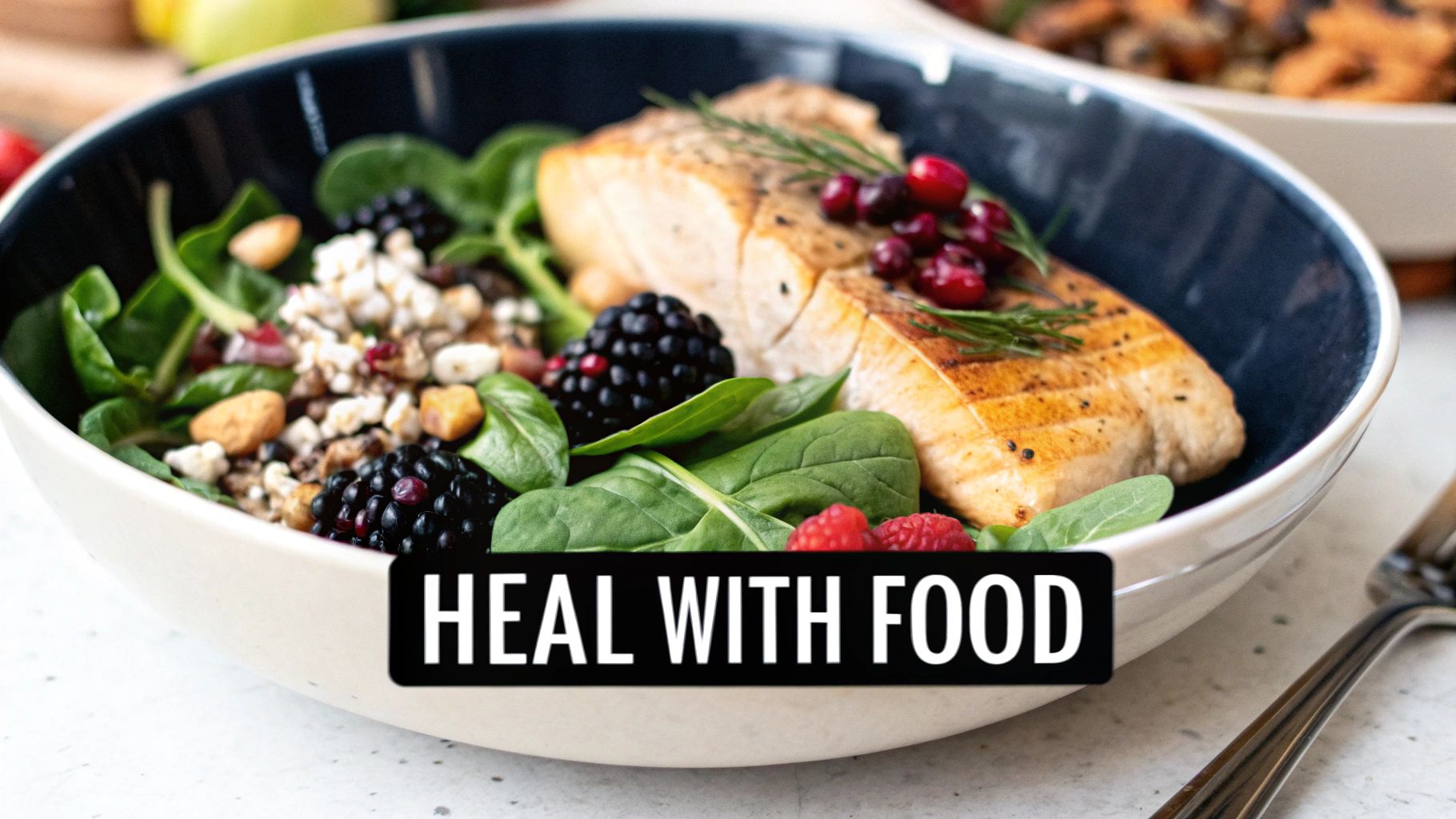
Your most powerful tool for reducing inflammation is probably already in your kitchen. What you eat—or choose not to eat—has a direct line to your body's inflammatory response. This isn't about some short-term, restrictive diet. It’s about making smart, sustainable shifts in your daily food choices.
Think of your body like a high-performance engine. Foods like sugar, refined carbs, and processed fats are low-grade fuel that gums up the works. Anti-inflammatory foods are the premium stuff, helping everything run smoothly and efficiently.
The science is pretty clear on this. Nutrient-dense foods are loaded with antioxidants, polyphenols, and omega-3 fatty acids. These compounds actively work to neutralize the inflammatory messengers causing trouble in your body. Making these foods the star of your diet helps calm your system from the inside out.
Building Your Anti-Inflammatory Plate
Putting together an anti-inflammatory meal doesn't have to be complicated. A great rule of thumb is to "eat the rainbow." The vibrant colors you see in fruits and vegetables are a tell-tale sign of different phytonutrients, each with its own unique inflammation-fighting power.
Just by aiming to fill half your plate with colorful veggies and fruits at every meal, you're ensuring a broad spectrum of these protective compounds.
Here are some of the heavy hitters you'll want to prioritize:
- Leafy Greens: Spinach, kale, and chard are packed with antioxidants that combat oxidative stress, a major inflammation trigger.
- Berries: Blueberries, strawberries, and raspberries are rich in compounds called anthocyanins, known for their potent anti-inflammatory effects.
- Fatty Fish: Salmon, mackerel, and sardines are prime sources of the omega-3s EPA and DHA, which are crucial for keeping inflammatory pathways in check.
- Nuts and Seeds: Almonds, walnuts, and flaxseeds provide healthy fats and fiber that support a balanced inflammatory response.
- Spices and Herbs: Turmeric (thanks to its active compound, curcumin), ginger, and garlic have been used for centuries for their powerful anti-inflammatory benefits.
Your Anti-Inflammatory Food Swap Guide
The key to lasting change is focusing on addition, not subtraction. Instead of dwelling on what you "can't" have, think about crowding out the pro-inflammatory options with delicious, nutrient-rich alternatives. This table makes it easy to visualize some simple, high-impact trades you can make every day.
| Instead Of This (Pro-Inflammatory) | Try This (Anti-Inflammatory) | Why It Works |
|---|---|---|
| Sugary Cereal or Pastries | Oatmeal with Berries and Walnuts | Swaps refined sugar and flour for slow-release carbs, fiber, and omega-3s. |
| White Bread or Pasta | Whole-Grain Bread or Quinoa | Replaces simple carbs with complex carbohydrates and fiber to stabilize blood sugar. |
| Processed Meats (Sausage, Deli Meat) | Grilled Chicken or Salmon | Eliminates nitrates and high saturated fats in favor of lean protein and healthy omega-3s. |
| Potato Chips or Crackers | A Handful of Almonds or an Apple | Trades processed fats, refined carbs, and salt for healthy fats, fiber, and phytonutrients. |
| Sugary Soda or Juice | Green Tea or Infused Water | Cuts out liquid sugar, a major inflammatory trigger, and replaces it with hydrating, antioxidant-rich options. |
| Vegetable Oil (Soy, Corn) | Extra Virgin Olive Oil or Avocado Oil | Replaces pro-inflammatory omega-6 oils with anti-inflammatory monounsaturated fats. |
These small swaps might not feel like much at first, but they compound over time, fundamentally shifting your body’s internal environment for the better.
And it’s not just about physical health. Groundbreaking research from AJMC.com has found a direct link between diet-induced inflammation and the risk of mortality from conditions like Alzheimer's. For every single-unit increase on a person's dietary inflammatory index, the risk of dying from Alzheimer's rises by 9%. This really drives home how much your grocery list can be a first line of defense for both your body and your mind.
A Sample Day of Anti-Inflammatory Eating
Wondering what this all looks like in practice? Here’s a sample day to show you just how delicious and satisfying this way of eating can be.
- Breakfast: A bowl of oatmeal made with unsweetened almond milk, topped with a handful of fresh blueberries, chopped walnuts, and a dash of cinnamon.
- Lunch: A big salad with mixed greens, topped with grilled salmon or chickpeas, cucumber, bell peppers, avocado, and a simple olive oil and lemon juice dressing.
- Dinner: A fillet of baked salmon seasoned with herbs, served with a side of roasted broccoli and quinoa.
- Snack: An apple with a spoonful of almond butter.
Remember, this is about progress, not perfection. Every meal is a new opportunity to nourish your body and calm inflammation. You can even explore other beneficial ingredients, like those in our guide on unlocking the natural power of apple cider vinegar, to add more functional foods to your routine. The goal is to build a pattern of eating that makes you feel vibrant and energized.
Targeted Support for an Inside-Out Approach
While dialing in your diet is the cornerstone for calming inflammation, you can get there faster with the right targeted support. Think of your food choices as building a strong foundation. Supplements, then, are the specialized tools that help you finish the job more efficiently. This inside-out strategy tackles inflammation from every angle.
It's not about replacing healthy habits. It’s about amplifying them. By strategically adding certain compounds into your routine, you’re giving your body extra resources to manage stress, repair cellular damage, and find its balance again.
Start with Your Gut Health
Your gut is command central for your immune system, and it's often ground zero for inflammation. When the microbiome is out of balance, it can lead to "leaky gut," a condition where particles sneak into your bloodstream and trigger an inflammatory alarm system-wide. Because of this, supporting your gut is one of the single most powerful moves you can make.
A high-quality Gut Health supplement can be a total game-changer here. These formulas are typically designed to do two key things:
- Nourish the good guys—the beneficial bacteria—with prebiotics and probiotics.
- Soothe the gut lining with ingredients that help keep it strong and sealed.
When you create a healthier gut environment, you reinforce that internal barrier, stopping inflammatory triggers before they even enter your system. You can dive deeper into choosing the right formula in our guide to the best supplements for gut health.
Supporting Cellular Repair and Energy
Beyond the gut, we can look at inflammation on a microscopic level. Your cells are constantly producing energy and cleaning up damage, but this process slows down with age and chronic stress, which only adds fuel to the inflammatory fire.
This is where compounds like NAD+ come into the picture. Nicotinamide adenine dinucleotide (NAD+) is a vital coenzyme inside every single cell, and it’s essential for metabolism and DNA repair. Supplementing with NAD+ can help your cells function at their peak, empowering them to better manage the oxidative stress that drives inflammation.
In a similar vein, Methylene Blue is getting a lot of attention for its potent antioxidant effects. It gets to work right inside the mitochondria—your cells' powerhouses—to make energy production more efficient and neutralize damaging free radicals. By protecting your cells from the inside, these supplements help cut off inflammation at its very source.
A truly effective strategy for how to reduce inflammation in body involves more than just calming existing flare-ups; it's about building a resilient internal environment that is less susceptible to inflammatory triggers to begin with.
Addressing Inflammation from the Outside
Inflammation isn't just an internal problem. Its effects often show up on your skin as redness, puffiness, dark spots, and even accelerated aging. A complete approach means tending to these visible signs while you work on what’s happening inside.
Topical skincare can offer direct, calming relief and help rebuild the skin’s protective barrier. Look for products specifically formulated to soothe and restore.
- A Skin Firming Cream can help boost skin elasticity and lessen the appearance of puffiness that often comes with inflammation.
- A Dark Spot Serum usually contains powerful antioxidants and brightening agents that target post-inflammatory hyperpigmentation—those stubborn dark marks left behind after a breakout or irritation.
When you use targeted topicals, you're doing more than just masking the issue. You’re giving your skin the ingredients it needs to calm down and heal. This creates a powerful synergy: as you cool down internal inflammation with diet and supplements, your skincare works to restore your complexion on the surface. This combination gives you a complete, 360-degree plan for managing inflammation for both your health and appearance.
Finding Your Movement and Recovery Balance

Movement has a fascinating, two-sided relationship with inflammation. It can be both the cause and the cure, and finding the right balance is the key to unlocking its incredible benefits.
On one hand, a completely sedentary lifestyle allows low-grade inflammation to simmer unchecked. On the other, pushing too hard without adequate rest creates chronic stress that does more harm than good. The goal is to land right in that sweet spot.
When you finish a challenging workout, that muscle soreness you feel is a direct result of acute inflammation. This is the "good" kind—a temporary, targeted response that signals your body to repair and rebuild, making you stronger. It's the systemic, low-grade fire from overtraining or inactivity that we want to extinguish.
Choosing Sustainable Movement You Enjoy
The best way to reduce inflammation through exercise is to pick activities you’ll actually stick with. You don’t need grueling, high-intensity workouts seven days a week. In fact, moderate and consistent movement is often far more effective for long-term inflammation management.
Think about activities that get your heart rate up without placing excessive stress on your joints. When your primary goal is to lower systemic inflammation, consistency is far more important than intensity.
Here are some excellent, sustainable options to consider:
- Brisk Walking: A simple 30-minute walk each day is a powerful anti-inflammatory tool. It improves circulation, helps manage weight, and reduces inflammatory markers.
- Swimming: This is a fantastic low-impact option that provides a full-body workout. The water supports your joints, making it ideal for anyone with existing aches or pains.
- Yoga and Tai Chi: These practices combine gentle movement with deep breathing and mindfulness, which helps lower cortisol—a major driver of inflammation.
- Cycling: Whether outdoors or on a stationary bike, cycling is a great way to build cardiovascular health without pounding the pavement.
The most effective workout is the one you actually do. Find something you genuinely enjoy, and it will feel less like a chore and more like a valuable part of your routine.
When it comes to exercise for inflammation, the principle is simple: move your body in ways that feel good. Your workout should leave you feeling energized and refreshed, not completely depleted and broken down.
The Non-Negotiable Art of Recovery
This is the part of the equation people too often skip, yet it’s where the real anti-inflammatory magic happens. Exercise creates micro-tears in your muscles; recovery is when your body heals them and adapts. Without proper recovery, inflammation can start to accumulate.
Your recovery routine is just as vital as your workout. Think of it as actively helping your body switch off the inflammatory alarm and get back to a state of balance. Smart recovery isn't just about taking a day off—it's an active process.
- Stretching: Gentle, static stretching after a workout helps improve flexibility and blood flow to your muscles, speeding up the removal of metabolic waste.
- Foam Rolling: Also known as self-myofascial release, foam rolling can help ease muscle tightness and soreness. It acts like a deep-tissue massage, breaking up adhesions and improving circulation in the targeted area.
- Prioritizing Rest: This means getting enough quality sleep (which we'll cover next) and scheduling complete rest days into your week. This gives your body the downtime it needs to fully repair and reap the anti-inflammatory rewards of your efforts.
By pairing consistent, moderate movement with a dedicated recovery practice, you create a powerful cycle. The exercise signals your body to become more resilient, and the recovery ensures it has the resources to do so, effectively lowering your baseline inflammation over time.
Mastering Your Sleep and Stress Response
You can nail the perfect anti-inflammatory diet and stick to a great workout routine, but if you’re constantly stressed and sleep-deprived, you're fighting a losing battle. Chronic stress and poor sleep are two of the most significant drivers of inflammation, often working together in a vicious cycle that keeps your body on high alert.
When you're under pressure or haven't slept, your body floods itself with the stress hormone cortisol. While a little cortisol is useful, a constant stream signals your immune system to stay on guard, fueling that low-grade, systemic fire we’re trying to put out. Taming this response is non-negotiable if you want to reduce inflammation.
Calming Your Stress Response
You can't just eliminate stress—it's a part of life. What you can do is change how your body responds to it. The goal is to build small pockets of calm into your day, breaking the cortisol production cycle. Even simple, intentional practices can make a world of difference in down-regulating your nervous system.
One of the most powerful tools is right under your nose: your breath. Think about it—when you feel overwhelmed, your breathing gets shallow and rapid. By consciously slowing it down, you send a direct signal to your brain that you're safe, which helps turn off the inflammatory alarm.
Box Breathing: A Quick Reset
- Inhale slowly for a count of four.
- Hold your breath for a count of four.
- Exhale slowly for a count of four.
- Hold at the bottom for a count of four.
- Repeat for just 1-2 minutes to feel an immediate sense of calm.
This practice is free, and you can do it anywhere—at your desk, stuck in traffic, or before a tough conversation. It’s an incredibly practical way to manage your body’s inflammatory reactions in real-time.
The Power of Restorative Sleep
Sleep is when your body gets down to its most important repair work. During deep sleep, your brain clears out metabolic waste, and your entire system works to lower inflammation. When you consistently get less than the recommended 7-9 hours a night, you rob your body of this critical maintenance window.
Even a single night of poor sleep can cause inflammatory markers to spike. Over time, this chronic sleep debt becomes a massive contributor to the problem. That's why building a solid sleep hygiene routine is just as important as what you eat or how you exercise.
Here’s a simple checklist to improve your sleep hygiene, starting tonight:
- Set a Consistent Bedtime: Going to bed and waking up around the same time daily (even on weekends) helps regulate your body's internal clock.
- Create a Dark, Cool, Quiet Room: Use blackout curtains, a fan, or earplugs. Your environment sends powerful cues to your brain that it's time to rest.
- Limit Blue Light Before Bed: The light from phones, tablets, and TVs can suppress melatonin production. Power down all screens at least an hour before you plan to sleep.
- Avoid Late-Night Stimulants: Steer clear of caffeine and large meals in the hours leading up to bedtime.
For those nights when your mind just won't quiet down, adding targeted support can be incredibly helpful. A thoughtfully formulated supplement can complement your evening routine, as our guide to achieving Restful Sleep explains. By combining good habits with the right support, you can reclaim the deep, restorative rest your body needs to heal and keep inflammation in check.
Your 30-Day Anti-Inflammatory Action Plan
Knowing what to do is one thing; actually doing it is where the magic happens. This is your practical guide to turning all this information into real, tangible action. The goal isn't perfection, but to build a sustainable routine with small, consistent steps that calm your system from the inside out.
An anti-inflammatory lifestyle really comes down to a pattern of positive choices. The most powerful approach weaves together nourishing foods, mindful movement, deep sleep, and smart stress management. Small tweaks across each of these areas work together, creating a synergistic effect that helps you feel better, faster.
The Anti-Inflammatory Daily Routine
Here’s a simple template to get you started. Think of it as a framework you can adapt to your own life and schedule, layering in key habits that keep inflammation at bay all day long.
- Morning: Before you do anything else, start with a big glass of water. For breakfast, go for something rich in fiber and low in sugar. Oatmeal with fresh berries and a handful of walnuts is a great choice to stabilize blood sugar and load up on antioxidants.
- Mid-Day: Carve out just 15 minutes for a walk during your lunch break. This little bit of gentle movement gets your circulation going and helps keep stress hormones in check without overdoing it.
- Evening: This one is a game-changer. Power down all your screens at least 60 minutes before you plan to sleep. This simple habit helps your body produce melatonin correctly, paving the way for deep, restorative sleep—which is your body's prime time for repair.
This flowchart shows how managing the core drivers of inflammation, like stress and poor sleep, is a direct path toward achieving a state of calm.
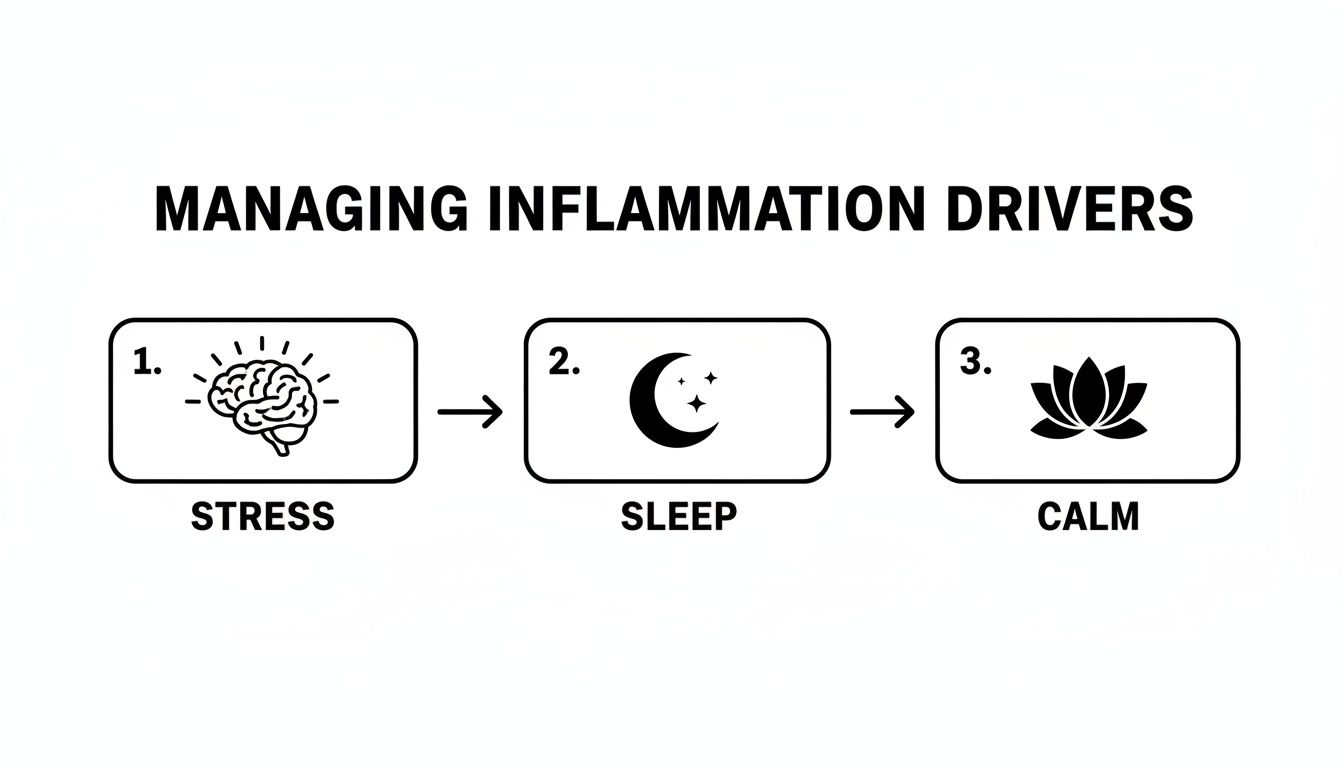
As you can see, actively managing your stress response and making sleep a non-negotiable priority are foundational steps to creating a balanced, low-inflammation state.
A great way to visualize this is by creating a simple table for your daily habits. Here's an example of what that could look like:
Sample Anti-Inflammatory Daily Routine
| Time of Day | Action | Benefit |
|---|---|---|
| 7:00 AM | Drink a large glass of lemon water. | Hydrates the body and aids detoxification. |
| 8:00 AM | Eat a breakfast of oatmeal with berries. | Provides fiber, antioxidants, and stable energy. |
| 10:30 AM | Drink a cup of green tea. | Offers anti-inflammatory catechins. |
| 1:00 PM | Enjoy a large salad with salmon and olive oil dressing. | Delivers omega-3s, phytonutrients, and healthy fats. |
| 1:30 PM | Take a 15-minute walk outside. | Reduces cortisol and boosts circulation. |
| 4:00 PM | Snack on an apple with almond butter. | Balances blood sugar and provides fiber. |
| 7:00 PM | Eat a dinner of lean protein and roasted veggies. | Supplies essential nutrients without inflammatory triggers. |
| 9:00 PM | Turn off all screens and read a book. | Prepares the brain for sleep; reduces blue light exposure. |
| 10:00 PM | Go to bed in a cool, dark room. | Optimizes sleep quality for cellular repair. |
This is just a template, of course. Adjust the times and actions to fit your own life, but the principles remain the same: hydrate, nourish, move, and rest.
Your Progress Check-In Framework
To keep your motivation high, it’s so important to track your progress and celebrate the wins. Use this simple framework to check in with yourself and notice the real-world benefits of your efforts.
After 30 Days: Take a moment to notice the first wave of changes. Is your energy more stable throughout the day? Do you feel less bloated after you eat? Maybe your skin is looking a bit clearer? These early wins are incredibly powerful.
After 90 Days: Now, it's time to evaluate the deeper shifts. You might find that you have less joint stiffness in the morning, your mood feels more balanced, or that persistent skin redness has finally started to fade. This is when the cumulative effect of all those daily habits really starts to shine.
This growing awareness isn't just personal; it's a global shift. The inflammatory diseases market was valued at USD 22.5 billion in 2025 and is on track to hit USD 34.9 billion by 2035. This massive growth shows just how many people are moving toward proactive health management. Discover more insights about this market trend on FutureMarketInsights.com. By following this plan, you’re part of a powerful movement toward taking back control of your health.
Your Questions, Answered
How Long Does It Take to Reduce Inflammation in the Body?
While some people notice more energy within just a few weeks, tackling deep-seated chronic inflammation is more of a long game. To see significant shifts—like clearer skin, less joint pain, or an improved mood—you'll want to give your body at least 30 to 90 days of consistent effort.
The key is focusing on your overall pattern of positive choices, not stressing about perfection with every single meal.
Can I Still Enjoy My Favorite Foods?
Absolutely. A truly sustainable anti-inflammatory lifestyle is built on balance, not total deprivation.
Many people find incredible success with an 80/20 approach. They stick to nutrient-dense, anti-inflammatory foods 80% of the time, which leaves more than enough room for the occasional indulgence. The goal here is a long-term pattern that supports your health without ever feeling restrictive.
What Are the Most Important First Steps to Take?
If you're feeling a bit overwhelmed by all the information, just concentrate on three high-impact changes to start. First, make a real effort to cut back on added sugars and highly processed foods. Second, make 7-9 hours of quality sleep a non-negotiable priority every single night.
Third, bring in 20-30 minutes of gentle daily movement, like a brisk walk. Mastering these fundamentals creates a powerful foundation for reducing inflammation and makes every other effort that much more effective.
At Atelier Silente, we curate targeted supplements and skincare to support your wellness journey from the inside out. Explore our collections to find the perfect additions to your anti-inflammatory routine.


