10 Evidence-Backed Ways to Stimulate Hair Growth in 2026

The quest for healthier, thicker hair often leads down a confusing path of conflicting advice and generic tips. While genetics undeniably play a foundational role in our hair's characteristics, a significant portion of its health, density, and growth potential is directly within our control. This guide is designed to cut through that noise, offering a definitive roundup of scientifically-backed ways to stimulate hair growth. We will move beyond the basics of simply avoiding damage and dive deep into actionable, evidence-based strategies that address hair health from every critical angle.
This is not a list of vague suggestions. Instead, you will find a comprehensive toolkit covering the entire spectrum of hair wellness. We will explore the mechanisms behind advanced topical treatments like peptide serums and explain how targeted supplementation can fortify follicles from the inside out. Furthermore, we will detail the practical application of scalp microcirculation techniques and even examine how optimizing cellular energy with novel ingredients can impact the hair growth cycle.
Whether your goal is to address noticeable thinning, accelerate growth, enhance overall density, or simply unlock your hair's maximum natural potential, this list provides the specific protocols you need. You will learn not just what to do, but how and why it works. This framework empowers you to build a personalized, multi-faceted routine that delivers measurable and sustainable results. Let's explore the methods that can create a profound shift in your hair's health and appearance, starting with the scalp and extending all the way to the cellular level.
1. Topical Hair Growth Serums & Peptides
Topical hair growth serums are scientifically formulated concentrates applied directly to the scalp to target hair follicles at the source. Unlike shampoos or conditioners that primarily treat the hair strand, these serums deliver potent bioactive compounds designed to awaken dormant follicles, extend the hair's growth phase (anagen), and improve the overall scalp environment. This direct-to-scalp approach is one of the most effective non-invasive ways to stimulate hair growth.
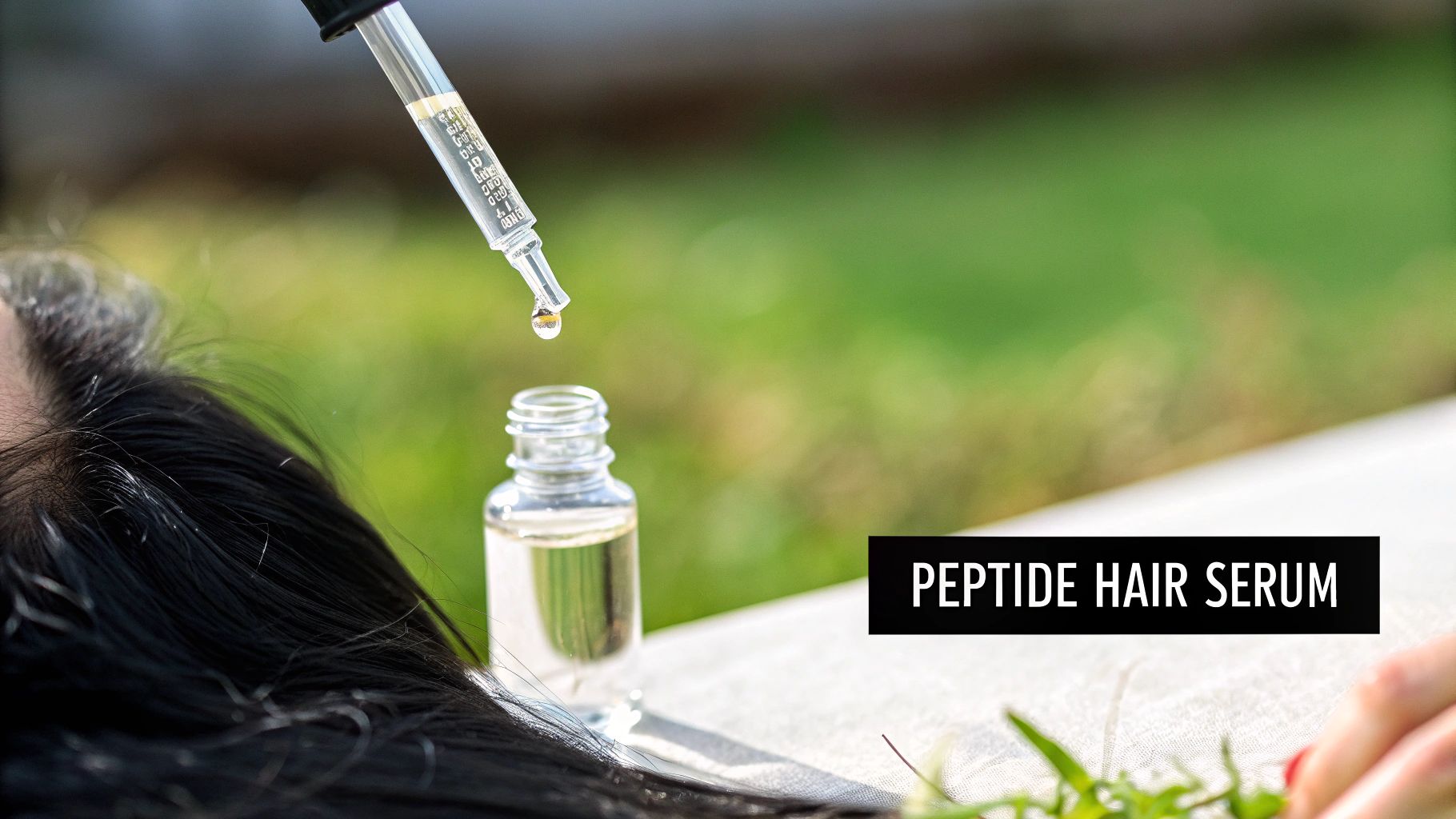
These serums often contain a blend of powerful ingredients. Peptides, for example, are short chains of amino acids that act as signaling molecules, encouraging follicles to remain in the anagen phase longer, which results in longer, thicker hair over time. Other key ingredients include caffeine, which boosts blood flow to the scalp, and niacinamide (a form of Vitamin B3), which strengthens the skin barrier and reduces inflammation. When combined, these ingredients create a robust formula for healthier hair.
How to Use Topical Serums Effectively
Consistency is the most critical factor for seeing results with topical treatments. Sporadic application will not yield the desired outcome. For a deep-dive into product effectiveness, you can explore detailed hair growth serum reviews to see how different formulas perform.
- Apply to a Clean Scalp: Start with a clean, dry, or towel-dried scalp to ensure maximum absorption without interference from dirt or product buildup.
- Use the Right Amount: Apply a few drops directly to the scalp, focusing on areas where thinning is most noticeable.
- Massage Gently: Use your fingertips to gently massage the serum into your scalp for one to two minutes. This not only helps with absorption but also stimulates circulation.
- Be Patient and Consistent: Apply the serum daily, preferably in the evening to allow it to work undisturbed overnight. Visible results typically appear after 8 to 12 weeks of continuous use.
2. Biotin & Collagen Supplements
Oral supplements offer one of the most foundational ways to stimulate hair growth by addressing nutritional needs from the inside out. Biotin and collagen are two powerhouse ingredients that work systemically to fortify hair structure. Biotin, also known as Vitamin B7, is crucial for producing keratin, the primary protein that makes up each hair strand. A sufficient supply of biotin ensures the keratin infrastructure is strong and resilient.
Collagen provides the essential amino acids, like proline and glycine, that serve as the building blocks for creating new hair. As we age, our natural collagen production declines, which can impact hair thickness and strength. Supplementing with collagen peptides helps replenish these vital amino acids, supporting the hair follicle's ability to produce healthy, robust hair. This internal approach complements topical treatments by ensuring your body has the raw materials needed for growth.
How to Use Supplements Effectively
To see tangible improvements in hair quality, supplements must be taken with diligence and patience. Unlike topical solutions that work directly on the scalp, these nutrients need time to be absorbed and utilized by the body's hair growth cycle. For more guidance on choosing the right products, this guide to the best supplements for hair growth can provide deeper insights.
- Take Consistently: Daily intake is non-negotiable. Aim to take your supplements for a minimum of 12 to 16 weeks to align with the hair growth cycle.
- Pair with Vitamin C: Vitamin C is essential for collagen synthesis. Take your collagen supplement with a source of Vitamin C to maximize its effectiveness.
- Take with Food: Consuming biotin and collagen with a meal can enhance absorption and minimize any potential stomach upset.
- Stay Hydrated: Proper hydration is critical for distributing nutrients throughout the body, including to the hair follicles.
- Combine with Topical Serums: For a comprehensive approach, pair your supplement routine with a topical serum to nourish hair from both the inside and outside.
3. Scalp Massage & Microcirculation Techniques
Scalp massage is a highly accessible and effective method for boosting hair growth by improving microcirculation. This technique involves manually or mechanically stimulating the scalp to increase blood flow, which delivers a richer supply of oxygen and essential nutrients directly to the hair follicles' dermal papilla. This enhanced nourishment strengthens the follicles, can awaken dormant ones, and supports a healthier, more robust hair growth cycle.
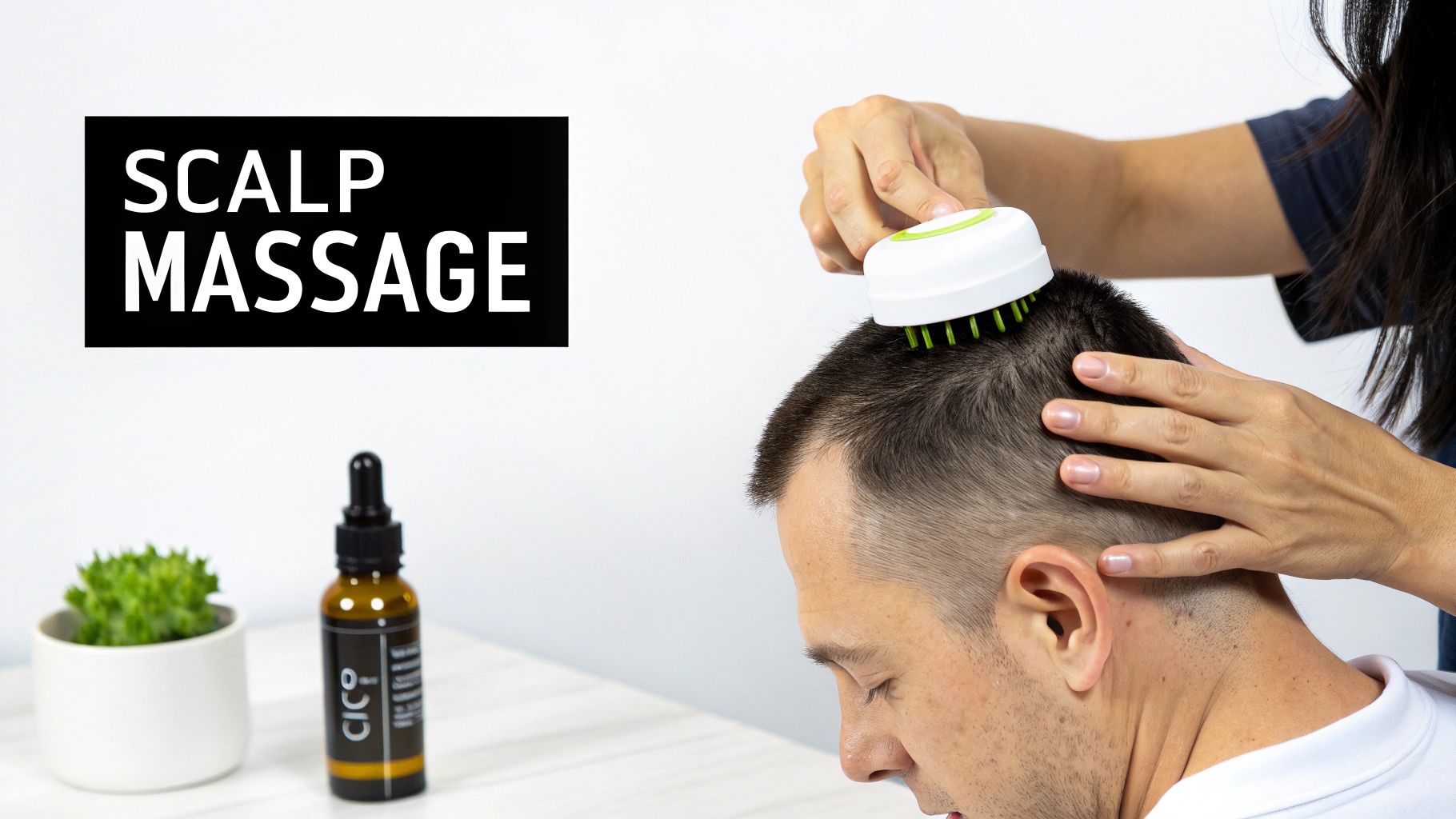
Rooted in ancient practices like Ayurvedic and Japanese head massage, this method also works by reducing scalp tension, which can otherwise restrict blood vessels and impede nutrient flow. Whether performed with fingertips or specialized tools like electric massagers or jade rollers, the physical stimulation stretches the cells of the hair follicles, encouraging them to produce thicker hair strands. It’s one of the simplest yet most powerful ways to stimulate hair growth from the comfort of your home.
How to Perform Scalp Massage Effectively
To maximize the benefits of scalp massage, consistency and proper technique are paramount. Aim to incorporate this practice into your daily routine, such as before bed, to also aid in relaxation and stress reduction. A few minutes each day is all it takes to make a noticeable difference over time.
- Use Your Fingertips: Apply medium pressure with your fingertips (not nails) and move in small, circular motions across your entire scalp for 5 to 10 minutes.
- Enhance with Oils: Pair your massage with a lightweight carrier oil like jojoba or almond oil to reduce friction and nourish the scalp.
- Consider a Tool: For deeper stimulation and ease, use a silicone scalp massager in the shower with shampoo or a dedicated electric device on a dry scalp.
- Be Consistent and Gentle: Perform the massage daily, but avoid aggressive pulling or rubbing that could damage the hair or irritate the scalp.
4. NAD+ & Cellular Energy Optimization
Optimizing cellular energy is a foundational approach to hair health, and NAD+ (Nicotinamide Adenine Dinucleotide) is at the heart of this process. This vital coenzyme is present in every cell, including hair follicles, and is essential for mitochondrial function, the powerhouses that generate cellular energy (ATP). As we age, NAD+ levels naturally decline, which can impair the follicles' ability to sustain the energy-intensive process of hair growth, leading to slower growth and thinning.
Supplementing with NAD+ precursors or using direct NAD+ formulas helps replenish these crucial levels. This supports robust ATP production and DNA repair within the follicle cells. By ensuring your follicles have the raw energy they need to function optimally, you are addressing one of the core biological requirements for a healthy hair cycle. This makes cellular energy optimization one of the most proactive ways to stimulate hair growth from the inside out.
How to Use NAD+ Effectively
For NAD+ to impact the hair growth cycle, consistent supplementation is key to maintaining elevated cellular energy levels over time. Sporadic use won't provide the sustained support that hair follicles need to thrive.
- Choose the Right Form: NAD+ can be taken as direct oral drops, such as those from Atelier Silente, or through precursors like Nicotinamide Mononucleotide (NMN) and Nicotinamide Riboside (NR), which the body converts into NAD+.
- Be Patient and Consistent: Take your supplement daily as directed. Cellular changes take time, and visible improvements in hair fullness and growth rate typically emerge after 8 to 12 weeks of continuous use.
- Combine with a Healthy Lifestyle: Enhance the effects of NAD+ by getting adequate sleep, which is critical for cellular repair, and engaging in regular exercise, which naturally boosts NAD+ levels.
- Create a Synergistic Routine: For a comprehensive approach, pair oral NAD+ supplementation with a topical hair growth serum. This "inside-out" strategy nourishes follicles both systemically and directly at the scalp for compounded benefits.
5. Caffeine-Based Scalp Treatments
Caffeine-based scalp treatments are emerging as a powerful and accessible method for revitalizing hair follicles. Often associated with your morning energy boost, caffeine, when applied topically, acts as a potent stimulant for the scalp and hair roots. It works by inhibiting the effects of dihydrotestosterone (DHT), a hormone linked to hair loss, particularly in androgenetic alopecia. This direct application helps to counteract follicular miniaturization and encourages a more robust growth cycle.
Beyond its DHT-blocking capabilities, caffeine also improves blood circulation in the scalp. This enhanced microcirculation ensures that hair follicles receive a richer supply of oxygen and essential nutrients, which is vital for maintaining the anagen (growth) phase of the hair cycle. Formulations like caffeine-infused serums and specialized shampoos (such as those from Alpecin or Puracy) deliver this active ingredient directly to the follicles for maximum impact, making it one of the most effective ways to stimulate hair growth at home.
How to Use Caffeine Treatments Effectively
To harness the full potential of caffeine, consistent and correct application is key. Simply drinking more coffee won't have the same targeted effect; topical application is necessary to directly stimulate the follicles.
- Choose the Right Product: Select a dedicated caffeine-based product like a serum, tonic, or shampoo. Serums offer a concentrated, leave-in treatment, while shampoos provide a convenient way to incorporate caffeine into your regular routine.
- Apply Directly to the Scalp: When using a serum or tonic, apply it directly to your scalp, focusing on areas with noticeable thinning. If using a shampoo, allow it to sit on your scalp for at least two to three minutes before rinsing to ensure proper absorption.
- Massage to Boost Circulation: Gently massage the product into your scalp using your fingertips for a minute. This not only aids in absorption but also mechanically stimulates blood flow for an enhanced effect.
- Maintain Daily Consistency: For best results, use your caffeine treatment daily. Like other topical solutions, regular application is crucial for sustaining the stimulatory effects on the hair follicles. Noticeable improvements often become visible after two to three months of consistent use.
6. Low-Level Laser Therapy (LLLT) & Red Light Treatment
Low-level laser therapy (LLLT), also known as photobiomodulation, is a non-invasive, FDA-cleared technology that uses specific wavelengths of red and near-infrared light to stimulate hair growth. This therapy works by targeting the mitochondria within hair follicle cells, boosting the production of adenosine triphosphate (ATP), the primary energy source for cellular activity. This energy surge helps awaken dormant follicles, extends the anagen (growth) phase of the hair cycle, and improves cellular repair.
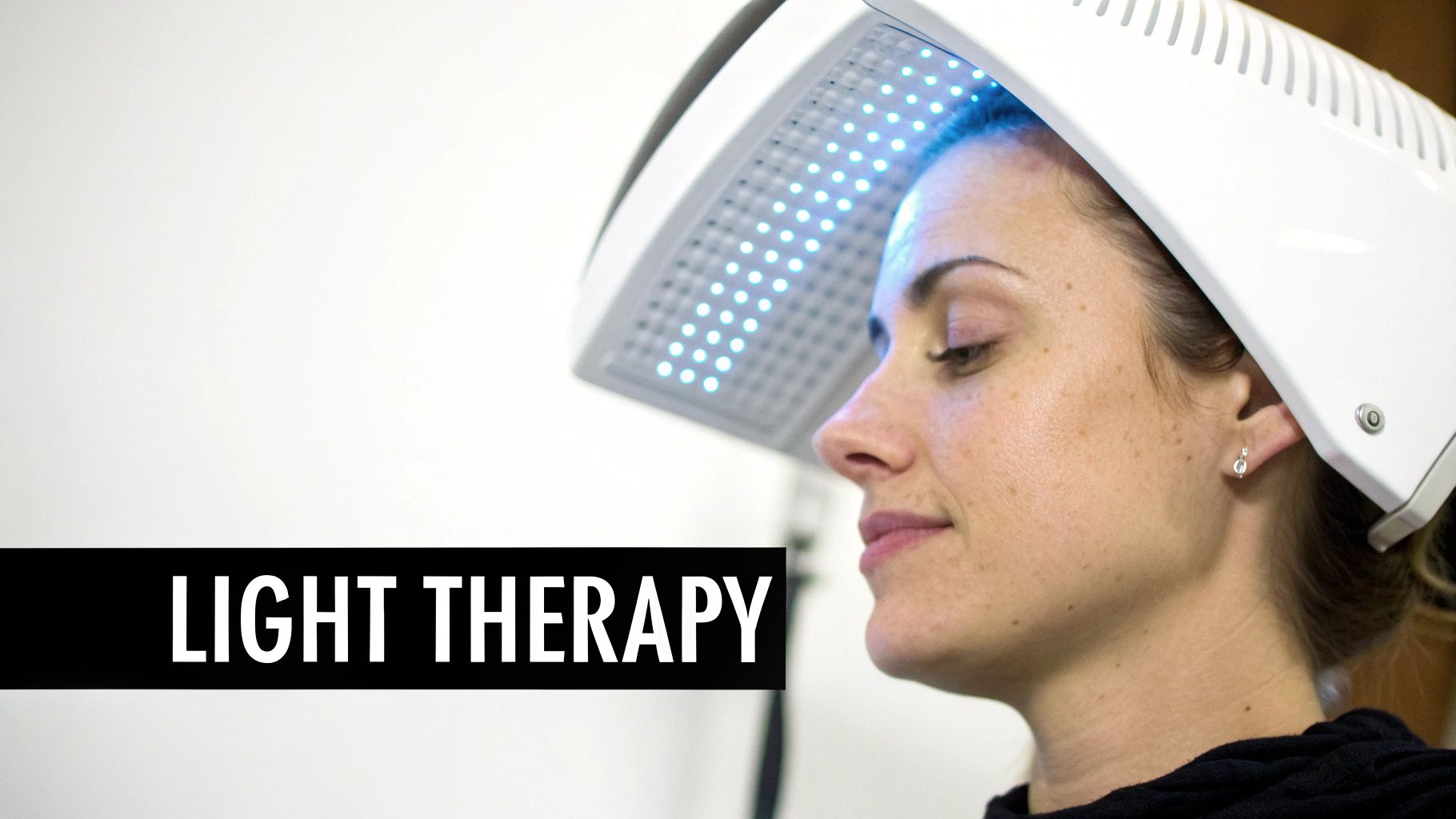
The process also enhances blood flow to the scalp and reduces inflammation, creating a healthier environment for follicles to thrive. Delivered through devices like laser caps, combs, or clinical-grade panels, LLLT offers a painless and chemical-free method for addressing hair thinning. Its effectiveness is supported by dermatologists and hair restoration clinics, making it one of the most credible at-home ways to stimulate hair growth.
How to Use LLLT Devices Effectively
Consistency and patience are fundamental to achieving visible results with LLLT, as the cellular changes that stimulate hair growth occur gradually over several months.
- Follow a Consistent Schedule: For most at-home devices like caps or combs, the recommended usage is typically 15-30 minutes, three to five times per week. Adhering to this schedule without long breaks is crucial.
- Apply to a Clean Scalp: Ensure your scalp is clean and free from heavy styling products that could block the light from reaching the follicles.
- Enhance with Other Treatments: LLLT can be safely combined with topical treatments like minoxidil or hair growth serums. Applying a serum after an LLLT session can improve absorption and amplify results.
- Be Patient with Results: It generally takes three to six months of consistent use to notice initial improvements, such as reduced shedding and the appearance of fine, new hairs. Full results are often visible after six to twelve months.
7. Nutritional Optimization & Gut Health
True hair vitality starts from within, making nutritional optimization a foundational strategy for stimulating hair growth. The health of your hair follicles is directly linked to the nutrients they receive from your bloodstream. If your body lacks essential micronutrients like iron, zinc, or B vitamins, or if your gut health is compromised and prevents proper absorption, your hair will be one of the first places to show it. This approach addresses the root causes of hair thinning by ensuring your body has the building blocks it needs.
This internal-first strategy focuses on two key areas: correcting nutritional deficiencies and optimizing gut function. Iron, for instance, is crucial for producing hemoglobin, which carries oxygen to your cells, including the ones that stimulate hair growth. Zinc plays a vital role in hair tissue growth and repair, while vitamins like D and B12 support the hair follicle cycle. A healthy gut ensures these nutrients are actually absorbed and utilized, making it a critical, though often overlooked, component of hair wellness.
How to Optimize Your Nutrition and Gut Health
A systematic approach is the most effective way to ensure your body is primed for healthy hair growth. This involves understanding your baseline, supplementing strategically, and supporting your digestive system. For more on this, you can explore some of the best supplements for gut health that also support nutrient absorption.
- Get Baseline Nutrient Testing: Before supplementing, ask your doctor for a blood test to check levels of ferritin (stored iron), vitamin D, vitamin B12, and zinc. This prevents unnecessary supplementation and targets your specific needs.
- Eat Nutrient-Dense Foods: Incorporate iron-rich leafy greens, zinc-packed legumes and seeds, and biotin-filled eggs into your daily diet. Fatty fish like salmon provide omega-3s and vitamin D.
- Support Your Digestive System: A diet rich in fiber from fruits and vegetables, along with probiotic foods like yogurt or kefir, can create a healthy gut microbiome, which is essential for nutrient absorption.
- Supplement Intelligently: Based on your test results, use targeted supplements like iron, vitamin D3, or a quality multivitamin. For broader support, consider a gut health supplement with probiotics and digestive enzymes to enhance absorption of all nutrients from your food.
8. Stress Reduction & Sleep Optimization
Chronic stress and poor sleep are significant, often overlooked, contributors to hair thinning and shedding. When the body is under constant stress, it produces high levels of cortisol, a hormone that can prematurely push hair follicles from the active growth (anagen) phase into the resting (telogen) phase. This condition, known as telogen effluvium, leads to noticeable hair loss. Optimizing sleep and managing stress are fundamental ways to stimulate hair growth by rebalancing hormones and supporting the body's natural cellular repair processes.
This holistic approach focuses on creating an internal environment conducive to healthy hair cycles. Deep, restorative sleep is when the body produces growth hormone and repairs tissues, including hair follicles. Similarly, active stress management techniques like meditation, deep breathing, and regular exercise help lower cortisol levels, allowing follicles to remain in the anagen phase longer. Integrating practices that calm the nervous system is a powerful, non-topical strategy for fostering robust hair growth from within.
How to Implement Stress Reduction & Better Sleep
Consistency in your daily routines is key to managing stress and improving sleep quality, which in turn supports a healthy hair growth cycle. Small, sustainable changes can have a significant impact over time.
- Establish a Sleep Routine: Aim for 7 to 9 hours of quality sleep per night. Go to bed and wake up at the same time, even on weekends, to regulate your body's internal clock.
- Practice Sleep Hygiene: Create a sleep-conducive environment by making your room dark, quiet, and cool. Avoid screens (phones, TVs) for at least an hour before bed, as the blue light can disrupt melatonin production.
- Incorporate Daily Stress Management: Dedicate 10 to 15 minutes each day to a stress-reducing activity. This could be mindfulness meditation, journaling, gentle yoga, or deep breathing exercises.
- Mind Your Diet and Exercise: Engage in regular physical activity to lower stress, but avoid intense workouts close to bedtime. Limit caffeine intake, especially after 2 p.m., as it can interfere with your ability to fall asleep.
9. Minoxidil & Prescription Hair Growth Medications
For those seeking scientifically-proven and FDA-approved ways to stimulate hair growth, pharmaceutical interventions like Minoxidil and other prescription medications offer some of the most powerful and clinically validated results. These treatments work at a cellular level to counteract the mechanisms of hair loss. Unlike cosmetic products, these are medical-grade solutions designed to produce significant, measurable changes in hair density and coverage by directly targeting the biological pathways of hair growth and loss.
The most well-known topical treatment is Minoxidil (often sold as Rogaine), which is a vasodilator that increases blood flow to the scalp and is believed to widen the hair follicle and prolong the anagen (growth) phase. For androgenetic alopecia (pattern baldness), oral medications like Finasteride (Propecia) are often prescribed. Finasteride works by inhibiting the enzyme that converts testosterone to dihydrotestosterone (DHT), a hormone that is a primary driver of follicle miniaturization. These options represent a significant step up in potency for treating hair loss.
How to Use Pharmaceutical Treatments Effectively
Medical supervision is crucial when using pharmaceutical-grade treatments, as they can have potential side effects and require a proper diagnosis. Consistency is non-negotiable for success, as benefits are only maintained with continuous use.
- Consult a Professional: Always start with a consultation with a dermatologist or a hair loss specialist to confirm your diagnosis and determine the right medication and dosage for you.
- Apply Minoxidil Correctly: For topical Minoxidil, apply the recommended amount (typically 1ml) to a dry scalp twice daily. Massage it in gently and let it dry completely.
- Follow Prescription for Oral Medication: If prescribed a medication like Finasteride, take it once daily as directed by your doctor. Do not miss doses.
- Be Patient and Monitor Progress: It typically takes 3 to 6 months of consistent use to see noticeable results. Take photos to track your progress and report any side effects to your physician immediately.
10. Comprehensive Lifestyle Integration & Consistency Protocol
A Comprehensive Lifestyle Integration & Consistency Protocol is a multi-modal approach that synergizes various hair growth methods into a cohesive daily regimen. Instead of relying on a single product or habit, this protocol combines topical treatments, targeted supplements, stress management, and improved hair care to address hair loss from multiple biological pathways. This holistic strategy creates a compound effect, where each component enhances the effectiveness of the others for more significant and sustainable results.
This integrated approach is popularized by dermatologists and functional medicine practitioners who recognize that hair health is a reflection of overall wellness. A successful protocol might involve using a peptide serum daily, taking a targeted supplement like NAD+, ensuring adequate sleep, managing stress with meditation, and maintaining a nutrient-rich diet. The core principle is that consistent, combined efforts are one of the most powerful ways to stimulate hair growth because they tackle potential deficiencies, hormonal imbalances, inflammation, and poor circulation simultaneously.
How to Build Your Integrated Protocol
The key to this method is personalization and unwavering consistency. Start with a few core habits and gradually build upon them as they become second nature.
- Establish a Core Routine: Begin with 3-4 non-negotiable daily habits. For example, apply a topical serum each night, take your hair supplement with breakfast, and practice scalp massage for three minutes.
- Track Your Progress: Document your starting point with clear photos of your scalp and hairline. Keep a simple journal to track shedding, hair texture, and energy levels. This data will keep you motivated and help you adjust your protocol.
- Layer Complementary Therapies: Once your core routine is established, add another element. If you're using a serum and supplements, consider incorporating a low-level laser therapy (LLLT) cap or adding specific foods known to support hair health.
- Be Patient and Consistent: A comprehensive protocol requires time to yield visible results. Commit to at least 12-16 weeks of consistent application before assessing progress. Celebrate small wins, like reduced shedding or the appearance of baby hairs, to stay motivated.
10-Point Hair Growth Methods Comparison
| Method | 🔄 Implementation Complexity | ⚡ Resource & Time | 📊 Expected Outcomes | 💡 Ideal Use Cases | ⭐ Key Advantages |
|---|---|---|---|---|---|
| Topical Hair Growth Serums & Peptides | Medium — daily scalp application; routine adherence required | Low per-use cost; visible in ~8–12 weeks | Moderate follicle-level thickening and longer hair with consistent use | Early-to-moderate thinning; adjunct to supplements/medications | Targeted follicle action; non-invasive; few systemic side effects |
| Biotin & Collagen Supplements | Low — simple daily oral dosing | Affordable; results typically 8–12 weeks | Improved hair strength/thickness when deficiency exists; variable effects | Nutrient-deficient individuals; general hair, skin, nail support | Systemic support; well-tolerated; easy to combine with other methods |
| Scalp Massage & Microcirculation Techniques | Low — manual or device-assisted 5–10 min daily | Minimal cost; gradual benefits over months | Gradual improvement in circulation and possible thickness over time | Anyone seeking low-risk adjunct; enhances topical absorption | Free/non-invasive; immediate relaxation; complements other treatments |
| NAD+ & Cellular Energy Optimization | Medium — supplements (drops/caps); consistent use | Higher cost; expect 8–12+ weeks for systemic effects | Indirect hair benefits via improved cellular energy and repair | Age-related cellular decline; users seeking broader vitality gains | Targets mitochondrial function; multi-system health benefits |
| Caffeine-Based Scalp Treatments | Low — topical shampoos or serums; daily use | Low cost; effects noticeable in ~8–12 weeks | Temporary follicle stimulation and modest anagen extension | Cost-sensitive users; DHT-sensitive cases as adjunct therapy | Affordable; clinically supported; multiple convenient formats |
| Low-Level Laser Therapy (LLLT) & Red Light | Medium — device sessions 3–5× weekly; simple protocol | Higher upfront cost ($200–500); results in 3–6 months | Clinically demonstrated increases in hair density with consistent use | Moderate thinning; non-pharmaceutical option; long-term users | FDA-cleared devices; no systemic side effects; works with other treatments |
| Nutritional Optimization & Gut Health | Medium — testing and dietary/supplement changes | Variable cost; nutrient repletion in ~8–12 weeks | Improved follicle function if deficiencies corrected; broad health gains | Individuals with deficiencies or malabsorption; foundational support | Addresses root causes; improves overall health and absorption |
| Stress Reduction & Sleep Optimization | Medium — lifestyle changes and ongoing practice | Low cost; weeks to months to affect hair cycle | Reduced shedding and support for regrowth when stress is a driver | Telogen effluvium or stress-related loss; overall wellness focus | Low-cost; improves systemic recovery; amplifies other treatments |
| Minoxidil & Prescription Hair Growth Medications | Medium — medical consult (for some); daily/regular use | Moderate ongoing cost; 3–6 months to see results | Strong evidence for halting loss and promoting regrowth (highest pharma efficacy) | Androgenetic alopecia and clinically diagnosed hair loss | FDA-approved options; strongest clinical backing; combinable with other methods |
| Comprehensive Lifestyle Integration & Consistency Protocol | High — multi-modal coordination, tracking and personalization | Higher effort and cost; notable changes in 12–16 weeks | Highest overall effectiveness when adhered to; compounded benefits across pathways | Users seeking maximal, sustainable results or complex cases | Holistic approach addressing multiple mechanisms; personalized and sustainable |
Building Your Personalized Hair Growth Protocol
Navigating the landscape of ways to stimulate hair growth can feel overwhelming, but the journey to a fuller, healthier head of hair is not about finding a single, elusive magic bullet. Instead, it’s about architecting a consistent, multi-faceted protocol tailored to your unique biology, lifestyle, and goals. You've just explored a comprehensive toolkit, from advanced topical treatments and targeted supplementation to foundational lifestyle shifts. The true power lies in strategically combining these elements to create a synergistic effect that addresses hair health from the inside out and the outside in.
The most effective path forward begins with self-assessment. Rather than attempting to implement all ten strategies at once, which can lead to burnout and inconsistent application, select a few key areas to focus on. Your goal is to build a sustainable routine that integrates seamlessly into your daily life. Think of this as creating your personal hair growth "stack" where each component amplifies the effects of the others.
Crafting Your Foundational Routine
A powerful and practical starting point for many involves a three-pronged approach: one topical, one internal, and one lifestyle habit. This creates a balanced and manageable foundation.
- Topical Action: Choose a high-impact topical treatment to directly nourish the scalp and follicles. This could be a peptide-rich serum, a caffeine-based treatment, or a medically proven option like Minoxidil. The key is direct application to the target area.
- Internal Support: Bolster your body's "hair-building factory" from within. This could mean optimizing your diet with nutrient-dense foods, addressing gut health, or incorporating targeted supplements like biotin, collagen, or NAD+ to support cellular energy.
- Lifestyle Integration: Select a habit that addresses a potential root cause of hair thinning. This might be incorporating a 5-minute daily scalp massage, committing to a stress-reduction technique like meditation, or prioritizing 7-8 hours of quality sleep per night.
For instance, a powerful combination for the modern wellness enthusiast could look like this: applying a potent peptide serum in the morning, taking a comprehensive gut health supplement with breakfast, and practicing a 10-minute mindfulness exercise before bed. This holistic approach targets the follicles, supports nutrient absorption, and mitigates the negative impact of stress hormones like cortisol.
The Pillars of Patience and Consistency
Perhaps the most critical takeaway from this entire guide is the non-negotiable role of patience and consistency. Hair growth is a marathon, not a sprint. The hair growth cycle, consisting of the anagen (growth), catagen (transition), and telogen (resting) phases, operates on a timeline of months, not days.
Key Insight: Visible results from any new hair growth strategy typically require a minimum of 3 to 4 months of consistent use. This is because it takes time for resting hairs to shed and for new, stronger anagen hairs to emerge and grow long enough to make a noticeable difference in density and thickness.
To stay motivated, it's essential to track your progress effectively. Before you begin your new protocol, take clear, well-lit photos of your scalp and hairline from multiple angles. Repeat this process every 4-6 weeks under the same lighting conditions. This visual diary will reveal subtle improvements that you might otherwise miss in the day-to-day mirror check, providing the encouragement needed to stick with your routine.
Remember, the goal is to transform these actions into effortless habits. By integrating these evidence-backed strategies into your daily life, you are not just treating a symptom; you are fundamentally shifting your body's internal environment to one that fosters and supports robust, healthy hair growth. If you experience sudden, severe, or patchy hair loss, it is always imperative to consult a board-certified dermatologist to rule out any underlying medical conditions and receive a professionally tailored treatment plan.
Ready to build the foundation of your personalized hair growth protocol? Atelier Silente offers a curated system designed to target hair health from a cellular level. Combine the potent, follicle-stimulating power of the Peptide Hair Growth Serum with the internal support of NAD+ and Gut Health supplements to create a truly synergistic routine. Explore the collection at Atelier Silente and begin your journey to stronger, fuller hair today.


